VIA Rail Corridor Trains: Routes, Schedules, Fares & Travel (2026)
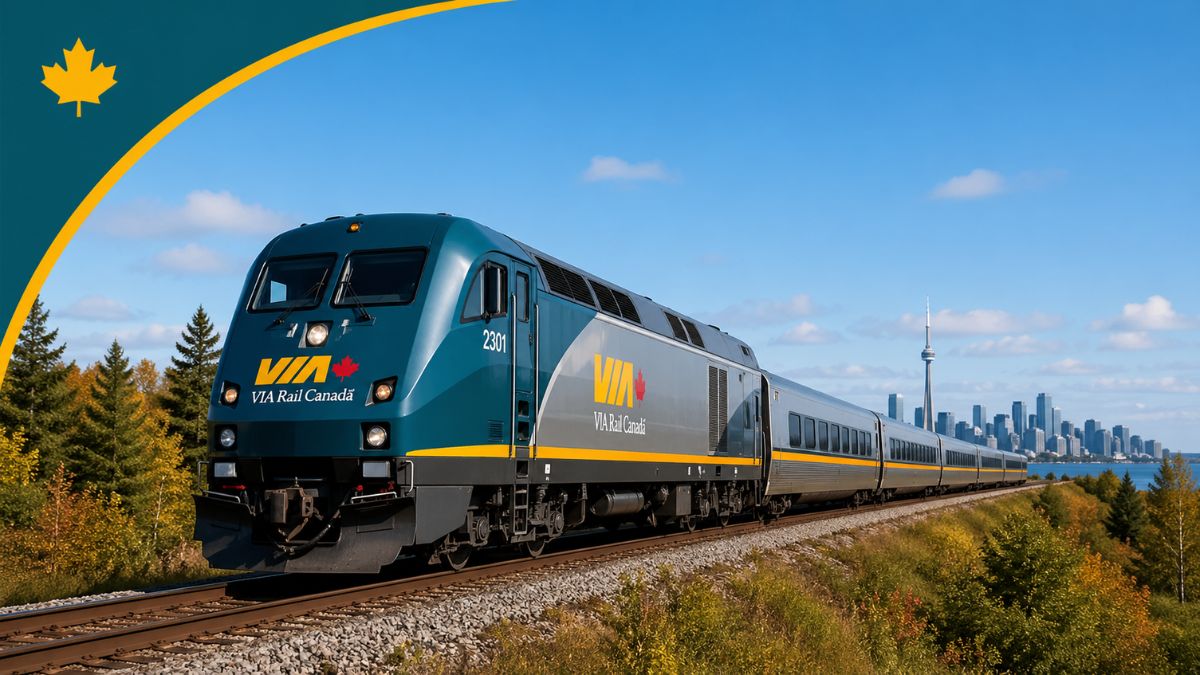
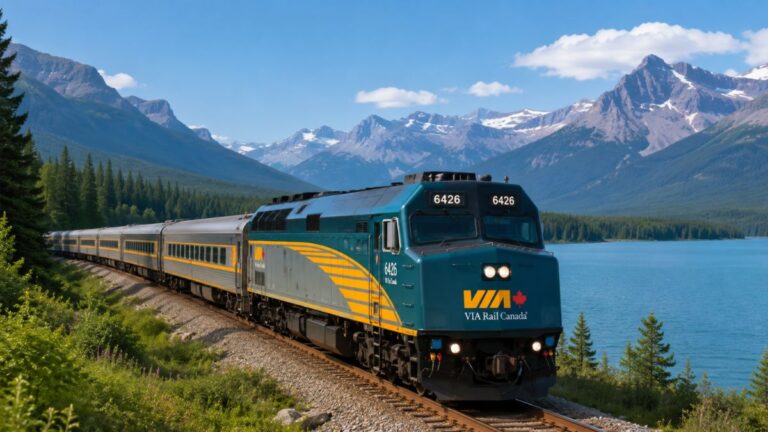
The VIA Rail Canada Corridor trains form the busiest and most important passenger rail network in Canada. Stretching across key cities in Ontario and Québec, the Corridor connects major urban centres with fast, reliable, and comfortable train service.
If you’re planning to travel between cities like Toronto, Montréal, Ottawa, and Québec City, this guide covers everything you need to know—routes, schedules, fares, classes, and booking tips.
What Is the VIA Rail Corridor?
The VIA Rail Corridor refers to a high-demand rail network running between Windsor and Québec City, serving densely populated regions of Canada.
Key Highlights:
- Covers over 1,150 km of rail lines
- Connects major business and tourism hubs
- Offers frequent daily departures
- Features both Economy and Business Class seating
VIA Rail Corridor Routes Overview
Below is a breakdown of the most popular Corridor routes:
| Route | Distance | Average Travel Time | Frequency (Daily) |
|---|---|---|---|
| Toronto – Montréal | ~540 km | 4.5 – 5.5 hours | 10+ trains |
| Toronto – Ottawa | ~450 km | 4 – 4.5 hours | 8+ trains |
| Montréal – Québec City | ~250 km | 3 – 3.5 hours | 6+ trains |
| Toronto – Kingston | ~260 km | 2 – 2.5 hours | 12+ trains |
| Windsor – Toronto | ~370 km | 4 – 5 hours | 5+ trains |
Major Stations in the Corridor
Some of the busiest and most important stations include:
- Toronto Union Station
- Montréal Central Station
- Ottawa Station
- Québec City (Gare du Palais)
- Kingston Station
- London Station
These stations offer modern facilities, lounges, ticket counters, and accessibility services.
Train Classes & Seating Options
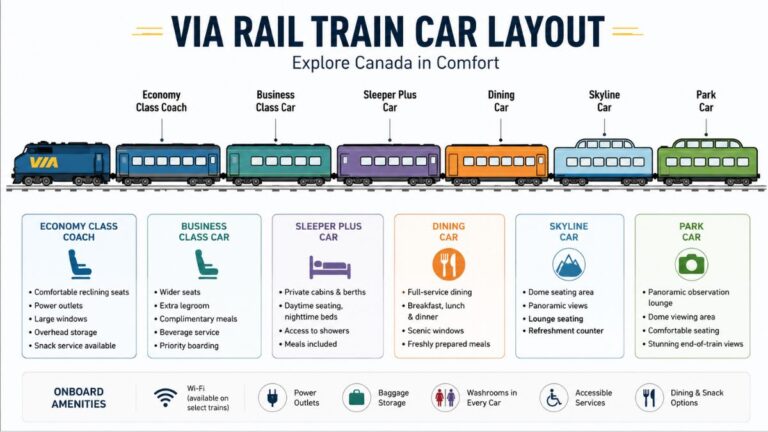
VIA Rail Corridor trains offer two main classes:
Economy Class
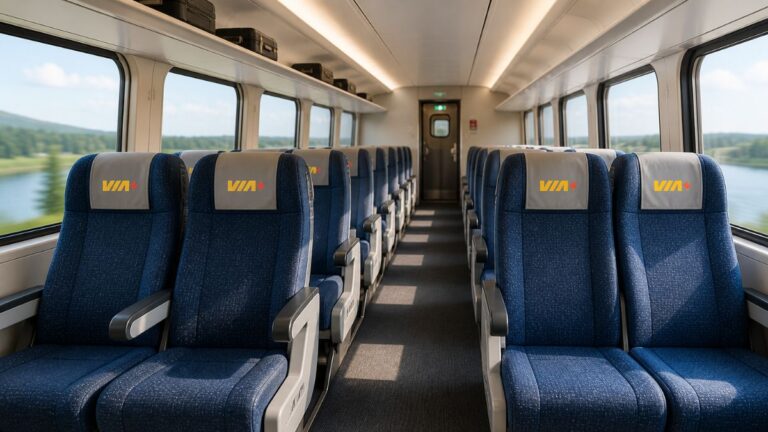
- Comfortable reclining seats
- Free Wi-Fi (on most trains)
- Power outlets at seats
- Paid food and beverages
Business Class
- Spacious seating with extra legroom
- Complimentary meals and drinks
- Priority boarding
- Lounge access at select stations
Fare Structure & Ticket Pricing
Ticket prices vary depending on demand, booking time, and class.
Average Fare Range:
| Route | Economy (CAD) | Business (CAD) |
|---|---|---|
| Toronto – Montréal | $50 – $180 | $120 – $300 |
| Toronto – Ottawa | $45 – $150 | $110 – $250 |
| Montréal – Québec City | $40 – $120 | $90 – $200 |
Key Pricing Factors:
- Advance booking = lower fares
- Peak travel times = higher prices
- Promotions and discounts available
VIA Rail Schedule & Frequency
Corridor trains are designed for flexibility and convenience.
Typical Schedule Features:
- Early morning departures (as early as 5:30 AM)
- Evening services until late night
- Hourly departures on busy routes
- Business-friendly timings
Onboard Amenities
Passengers can expect a comfortable travel experience:
- Free Wi-Fi (availability may vary)
- Power outlets at every seat
- Clean washrooms
- Café service or meal service (Business Class)
- Quiet and smooth ride
Advantages of VIA Rail Corridor Trains
Why Choose VIA Rail Corridor?
- No airport security lines
- City-centre to city-centre travel
- Comfortable seating compared to buses
- Environmentally friendly transportation
- Reliable and frequent departures
How to Book VIA Rail Corridor Tickets
You can book tickets through:
- Official VIA Rail website
- Mobile app
- Travel agencies
- Phone reservations
Ticket Deals & Assistance
For the latest deals, discounts, and reservations support:
Call: +1 (888) 988-6792
Money-Saving Tips for Corridor Travel
- Book tickets at least 2–3 weeks in advance
- Travel during mid-week (Tuesday–Thursday)
- Look for Escape Fare deals
- Subscribe to VIA Rail promotions
- Use student, senior, or youth discounts
VIA Rail Corridor vs Other Travel Options
| Feature | VIA Rail | Flight | Bus |
|---|---|---|---|
| Comfort | High | Medium | Low |
| Cost | Medium | High | Low |
| Travel Time | Moderate | Fast | Slow |
| City Access | Central | Airport | Varies |
| Flexibility | High | Medium | Medium |
Future Developments: High Frequency Rail (HFR)
Canada is planning improvements to the Corridor through the High Frequency Rail (HFR) project.
Expected Benefits:
- Faster travel times
- More frequent trains
- Dedicated passenger tracks
- Improved reliability