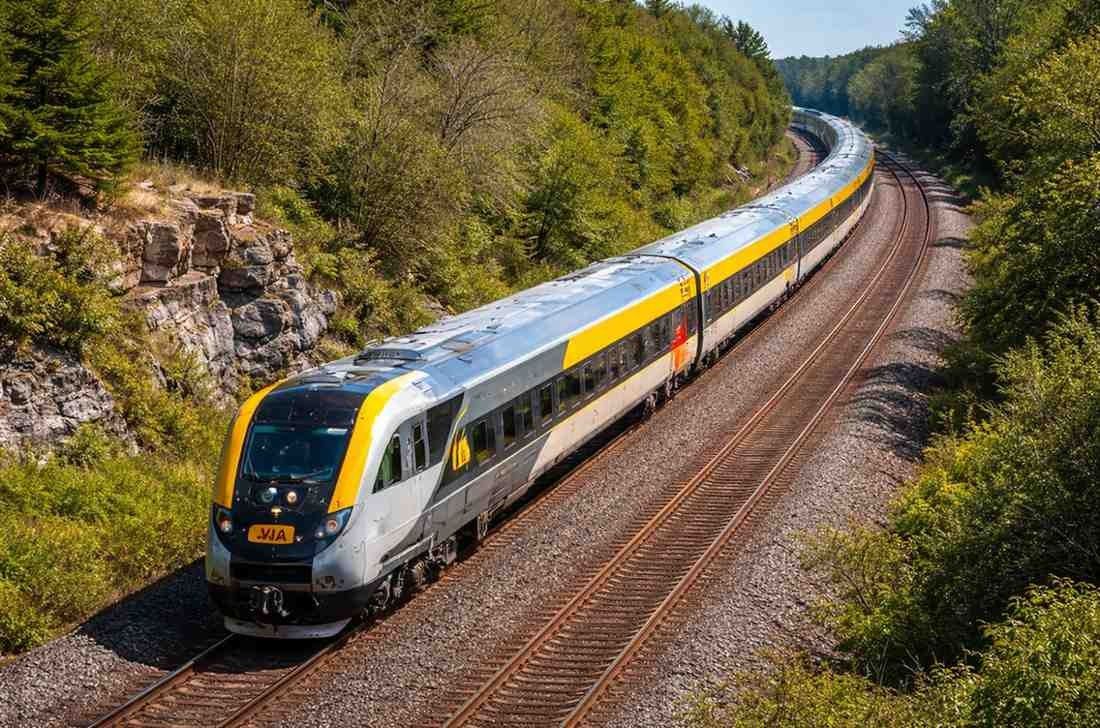
Ottawa to Toronto VIA Rail: Duration, Price & Best Time to Travel
Driving on Highway takes about 4 and a half to 5 hours — if you’re lucky. Throw in rush hour traffic near Toronto, a little bit of winter snow or construction delay — and what Canadians affectionately call “long weekend” congestion — and your journey can easily become longer than five hours. Fuel, toll routes and downtown parking fees just add to the cost.
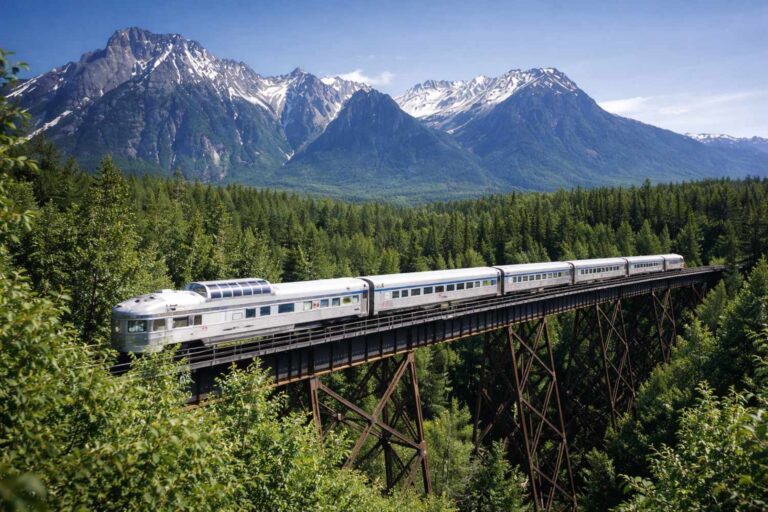
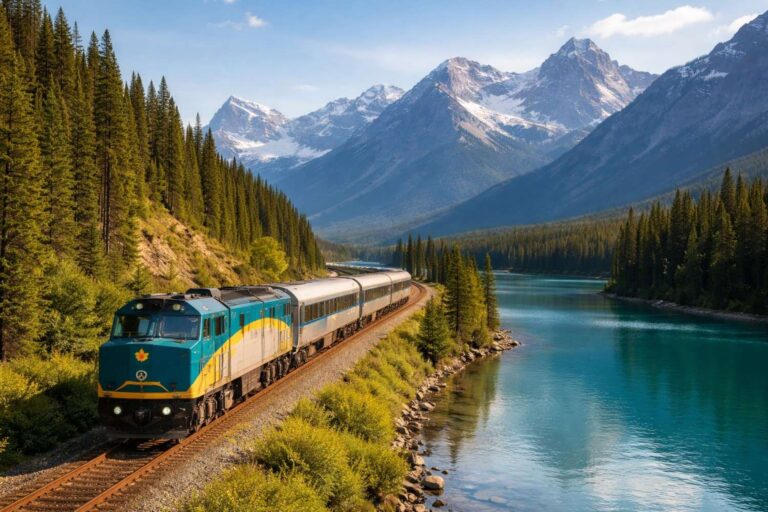
Flying might feel quicker, but there’s nothing like a train journey for either comfort or view and you can use my movies on trains page to work out what to download before you go to fill the dead time during your half day of travel.
The Solution: Why VIA Rail Is The Way To Go
VIA Rail between Ottawa and Toronto is a more moderate, calculated alternative.
1. Travel Duration: Consistent and Reliable
The train trip is usually between 4 and 4.5 hours, depending on the departure and how many stops it makes. And whereas highways see up-and-down traffic peaks throughout the year, rail timetables have more consistent flow 365 days a year.
Several trains leave each day, with early morning, midday and evening departures. This type of flexibility can mean being able to schedule around work meetings or weekend plans without guilt.
It’s a great time and energy saver, right there.
2. Cost Breakdown: Transparent and Competitive
Economy Class average pricing:
- $50–$120 CAD one-way if booked ahead.
- Last-minute fares can be $140 or more.
Business Class average pricing:
- $110–$200 CAD one-way.
If you’re searching for cheap train tickets Canada, Monday or Friday travel may be your best bet. And if you reside in Vancouver, train tickets are more likely to be lowest priced when purchased from a provider 63 days in advance rather than on the day you plan to leave. Booking 2–3 weeks in advance can save you 20–30% off the cost of a last-minute ticket.
3. Productivity: Use Your Travel Time
Productivity is a hidden benefit of train travel.
Most VIA Rail services include:
- Wi-Fi access
- Power outlets at seats
- Spacious tables (on select seating)
- Some departures are quiet cars
For business travelers, this equals 4 hours of usable time instead of the 4 hours spent behind the wheel. For those who like to relax, watch a movie or read even casual travelers profit by the system.
Driving requires 100% attention. Flying involves long waiting periods. The train is a usable period of time from point A to point B.
Best Time to Travel
The question of the right time is a consideration in terms of both price and comfort.
For Lower Prices:
- Midweek travel (Tuesday–Thursday)
- Late winter (February–March)
- Early spring (April)
For Scenic Views:
- Fall months (September–October)
Busiest Travel Periods:
- Summer (June–August)
- Holiday weekends
- Friday evenings and Sunday returns
You’ll get better fares and seat choices if you book your VIA Rail ticket at least 2–3 weeks in advance.
Who Stands to Gain Most from VIA Rail?
- Business travelers who want travel time to be productive.
- Students traveling between universities.
- Families seeking a no-stress trip.
- Seniors who do not like to travel long distances.
- Winter travelers avoiding icy highways.
Rail travel is consistent and easy to schedule.
Practical Tips on Get Better Fares
If you’re looking to get the most value:
- Book early whenever possible.
- Travel midweek.
- Avoid peak holiday dates.
- Compare departure and arrival times.
Final Thoughts
The Ottawa-to-Toronto corridor is one of the busiest travel corridors in Canada. Both driving and flying are alternatives—anxiety-creating though because they almost always means unreliable delays—and they often increase planned expenses.
VIA Rail offers a consistent schedule, fair pricing, and arrives at centrally located stations in both cities. Cheap Train Tickets Canada Are you looking for cheap train tickets Canada deals while still staying comfortable and keeping your travel time to a minimum?
If you find yourself planning your next Ottawa to Toronto commute, the train’s not just an alternative — it might actually be the way to go.